
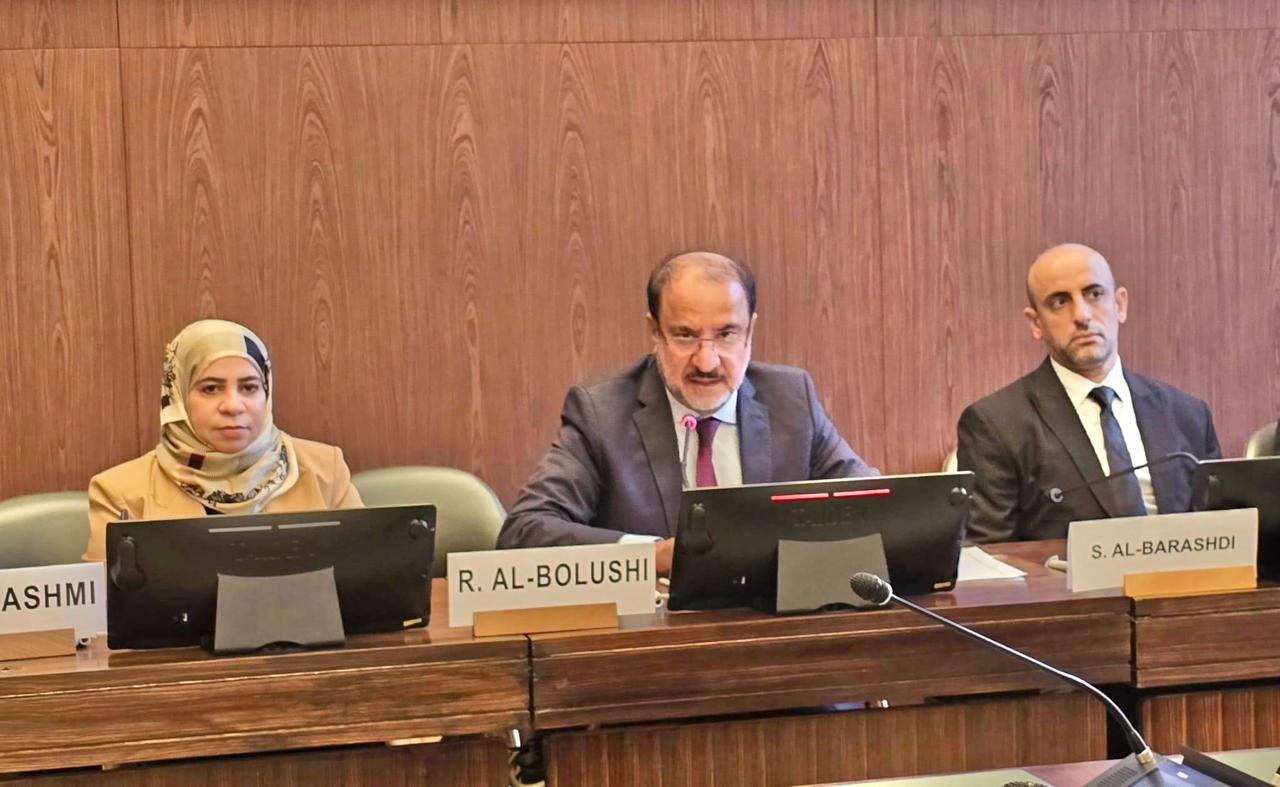

. The Oman Human Rights Commission highlights the Omani experience at the Palais des Nations in Geneva and opens new horizons for international partnerships.
. Three working papers on business and human rights, workers’ rights, and parallel reports presented at an OHRC event in Geneva.
. Al-Balushi: Oman’s presence within the international human rights system has been strengthened after becoming an active party to 8 out of the 9 core international human rights conventions.
. Chairman of the Commission: Human rights indicators are a scientific tool for translating values into measurable standards and evidence-based policymaking.
. Representatives of diplomatic missions and UN organizations commend the Oman Human Rights Commission and its future-oriented approaches.
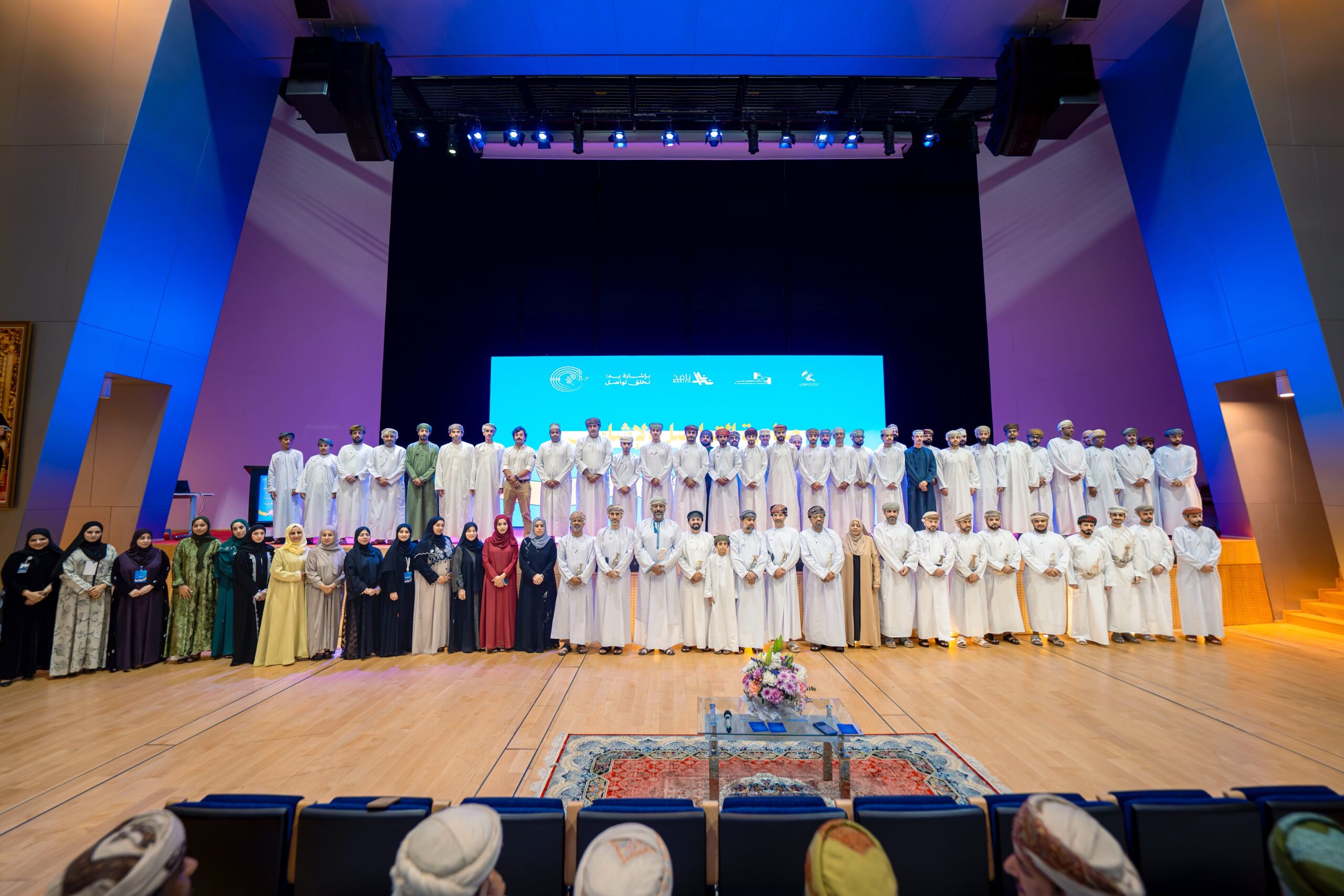
As part of the Sultanate of Oman’s continued efforts to strengthen the human rights system, develop its national legislation and policies, implement awareness and educational programs, and build partnerships with national and international stakeholders, the Oman Human Rights Commission (OHRC) organized a side event at the Palais des Nations in Geneva to present the Omani experience, highlight its role in the promotion and protection of human rights, open channels of dialogue with international partners, and exchange best practices and experiences with international institutions concerned with human rights.
The event was organized in cooperation with the Permanent Mission of the Sultanate of Oman to the United Nations and international organizations in Geneva. It aimed to highlight the institutional role of the Commission, enhance international cooperation and exchange expertise, showcase the key features and priorities of the Commission’s experience, provide a concise and reliable overview of its work, and present national efforts across various fields, including workers’ rights.
It also introduced the Commission’s awareness programs and tools, its role in preparing parallel reports, and created an interactive platform for dialogue with participants on opportunities for partnership, cooperation, and the exchange of best practices.
The event targeted a wide range of stakeholders engaged in human rights in Geneva, including accredited diplomatic missions to the United Nations, relevant international organizations and UN agencies, national human rights institutions, civil society organizations, human rights advocates, as well as researchers and media professionals.
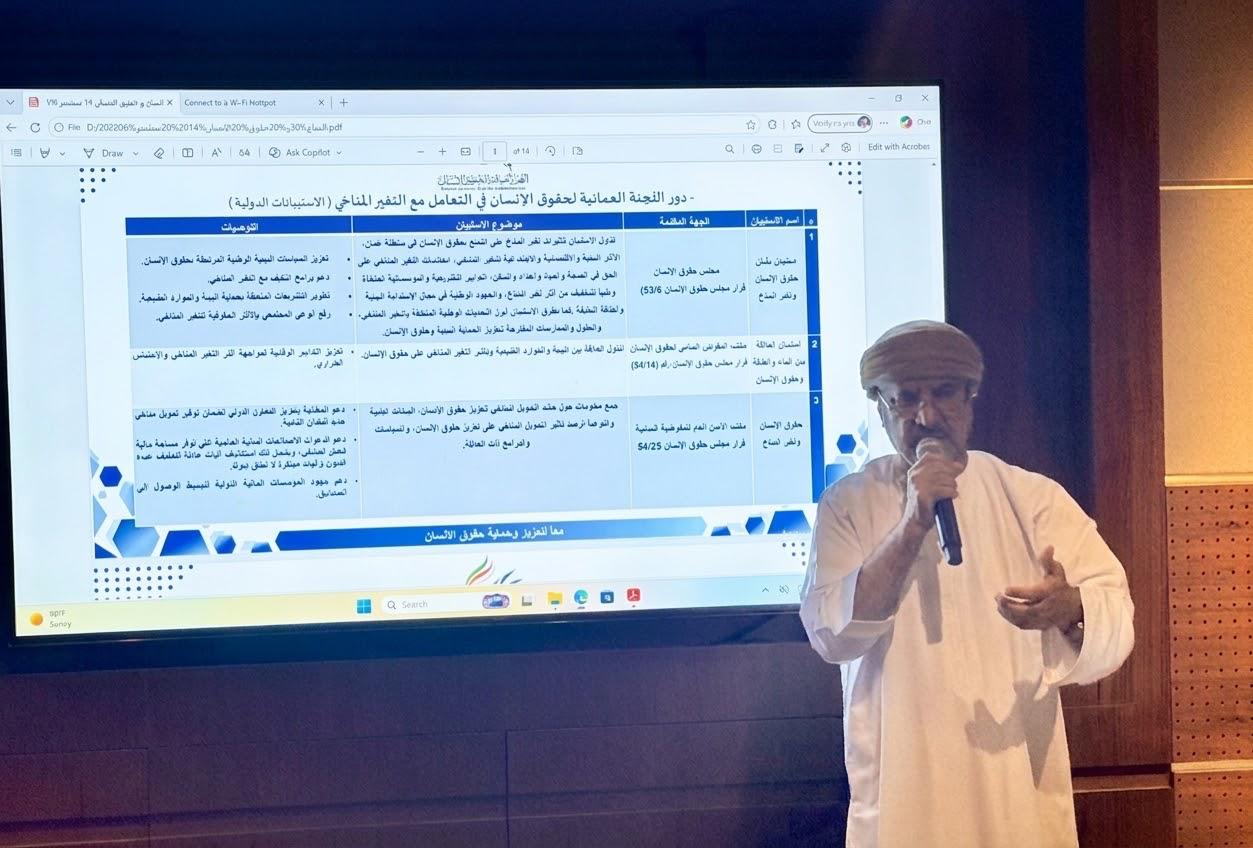
The event featured three specialized working papers. The first addressed the theme of “Business and Human Rights” as a growing field linking economic development with human rights standards, highlighting the Commission’s methodology through assessment tools, recommendations, and follow-up mechanisms, and presenting key initiatives, including the preparation of guidance manuals. The second focused on strengthening and protecting workers’ rights through field monitoring of working and living conditions and occupational safety, as well as mechanisms for receiving complaints, verifying them, and following up on their resolution with relevant authorities.
The third paper presented an overview of parallel reports and awareness programs, explaining the methodology for preparing shadow reports in accordance with UN guidelines and emphasizing their importance in promoting transparency and expanding participation and international cooperation in human rights matters.
On the sidelines of the event, the Oman Human Rights Commission organized an exhibition showcasing its publications, including specialized printed materials, awareness resources, printed annual reports, and a number of human rights guides and booklets on various topics. Through this exhibition, participants became acquainted with the Commission’s experience in publishing and its reporting methodology.
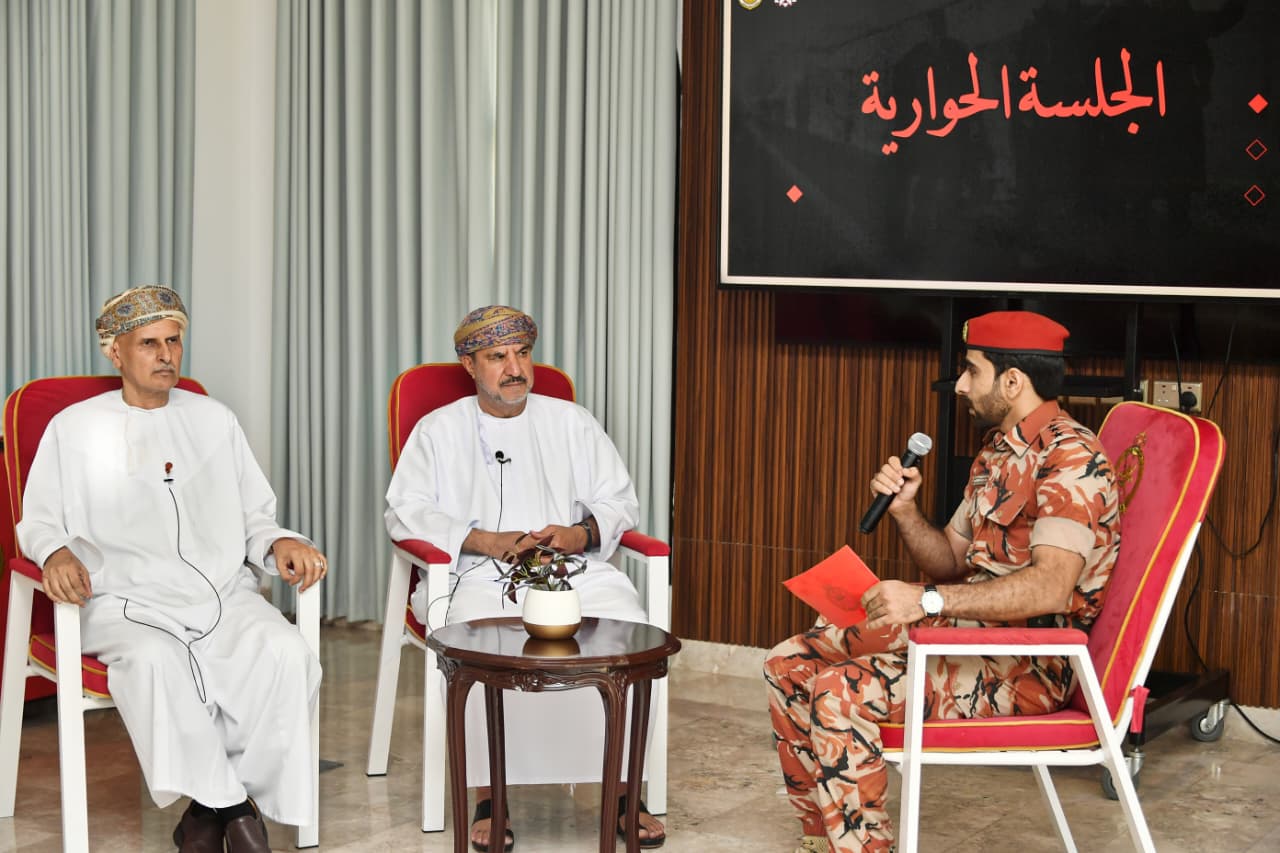
The meeting witnessed active engagement from participants through discussions addressing opportunities for cooperation, partnership-building, and exchange of expertise, accompanied by commendations of the Oman Human Rights Commission’s role and institutional approach to monitoring, awareness-raising, and reporting. The Commission’s experience was regarded as a model worthy of review and emulation in the development of national human rights institutions, thereby strengthening Oman’s international presence and reaffirming its commitment to the promotion and protection of human rights.
In his address at the event, Professor Rashid bin Hamad Al-Balushi, Chairman of the Oman Human Rights Commission, emphasized that the Sultanate of Oman, with its deep civilizational heritage and influential geographic position, believes that genuine stability cannot be achieved without the rule of law and the protection of human rights. He reviewed the Commission’s journey since its establishment in 2008 by Royal Decree, and its transition to a new phase of qualitative development following its reorganization under Royal Decree No. (57/2022), which strengthened the regulatory framework of its work and defined its composition, decision-making mechanisms, and mandates in a manner that supports and enhances institutional independence.
He explained that the regulatory framework includes clear provisions governing the purpose of establishing the Commission, regulating the election of the Chairman and Deputy Chairman, terms of membership, and meeting procedures to ensure regularity and efficiency, and precisely defining the mandates entrusted to the Commission in line with its national responsibilities.
The Chairman also addressed the concept of “institutional proximity to the public” as one of the most important indicators of the maturity of national human rights institutions. He noted that the Commission has developed its system for receiving reports and complaints and introduced multiple channels to ensure accessibility for different segments of society while safeguarding privacy and ensuring procedural clarity. He pointed out that in recent years the Commission has been receiving, monitoring, and handling more than one thousand reports annually, considering this an indicator of both the volume of work and the growing public trust in national mechanisms, as well as increased awareness that rights are safeguarded through specialized institutions. He also presented the concept of “human rights support” as one of the Commission’s operational pathways aimed at assisting citizens and residents in understanding procedures, facilitating access to competent authorities, and providing continued support until solutions become clear.
Regarding field monitoring, the Chairman affirmed the continuation of visits to prisons, detention facilities, hospitals, labor gatherings, industrial zones, labor accommodations, and social care institutions to verify service levels, ensure alignment with national and international standards, confirm respect for human rights, and enhance prevention through early monitoring and practical recommendations. In the context of future planning, he highlighted the Commission’s work, in cooperation with relevant national entities, on preparing the National Human Rights Strategy as a comprehensive framework that defines priorities and links obligations to implementable programs subject to monitoring and evaluation based on precise indicators and clear international benchmarks, with aspirations to launch it during the current year.
He also addressed “human rights indicators” as a scientific tool that translates values into measurable standards and supports evidence-based policymaking, noting the organization of specialized workshops to develop a dedicated human rights indicators guide for the Sultanate of Oman. He further emphasized that Oman’s presence within the international human rights system has been strengthened after becoming an active party to eight out of the nine core international human rights conventions.
In terms of international cooperation and reporting, the address reviewed the Commission’s engagement with international mechanisms, preparation of reports, participation in regional and international meetings, and exchange of expertise. It also noted the Commission’s submission of an independent report within the framework of the Universal Periodic Review mechanism for 2026, in addition to contributions to specialized UN reports. This was accompanied by a broad consultative approach involving civil society organizations, government entities, academic institutions, and international organizations, thereby enhancing the credibility of the Commission’s reports and aligning them more closely with the realities and needs of the public.
The event program included three specialized academic and human rights presentations. The first paper, titled “The Role of the Oman Human Rights Commission in the Promotion and Protection of Human Rights: Business and Human Rights as a Model,” was presented by Dr. Saleh bin Hamad Al-Barashdi, Chairman of the Committee for Monitoring and Receiving Complaints at the Commission. He reviewed the Commission’s main roles, stages of development, and its strategic, advisory, oversight, preventive, and international engagement functions, highlighting its methodology through standardized forms, objective analysis, technical reports, recommendations, follow-up mechanisms, and integration of results into annual reports.The paper also addressed the Commission’s efforts in the field of business and human rights.
The second paper focused on “The Role of the Oman Human Rights Commission in the Promotion and Protection of Workers’ Rights in the Sultanate of Oman” and was presented by Aida bint Shamis Al-Hashmiya, Member of the Commission. She highlighted the powers granted to the Commission under Royal Decree No. (57/2022), including conducting field visits, monitoring violations, providing advice, and contributing to the preparation of relevant reports. The paper addressed the monitoring of labor conditions and labor markets across various sectors, issues of equality and non-discrimination, and fundamental workers’ rights related to wages, housing, working hours, and occupational health and safety. It also covered inspection visits to shelters and workplaces and the submission of direct recommendations to rectify situations related to residency conditions and humane treatment. Furthermore, it outlined the mechanism for receiving complaints related to arbitrary dismissal, ill-treatment, discrimination, inadequate housing, forced labor, and delayed wages, as well as the steps for reviewing, verifying, communicating with relevant authorities, following up on outcomes, issuing recommendations, and incorporating them into annual reports. The paper also highlighted cooperation with the Ministry of Labour, the Oman Chamber of Commerce and Industry, and the General Federation of Workers of the Sultanate of Oman, as well as partnerships with economic institutions to promote a balance between human rights and development, including supporting the employment of persons with disabilities and encouraging proactive companies, in addition to awareness-raising, capacity-building, and the publication of multilingual materials on workers’ rights.
The third paper, titled “Awareness Programs and Parallel Reports of the Oman Human Rights Commission,” was presented by Shatha bint Abdulmajid Al-Zadjali, Director of the Department of Organizations and International Relations. She reviewed the Commission’s objectives in accordance with Article (10) of its Statute, the concepts of “promotion” and “protection” in line with the Paris Principles, and the various pathways of awareness programs implemented by the Commission. These include general community awareness programs, targeted programs for specific groups, educational and cultural programs, capacity-building and training programs, media and digital awareness initiatives, programs linked to international observances, and communication and cooperation programs. The paper also addressed the Commission’s contributions to reporting, including annual and national reports, parallel (shadow) reports, thematic reports, responses to international organizations, special rapporteurs’ questionnaires, and monitoring and follow-up reports. It further highlighted the methodology for preparing parallel reports in accordance with UN guidelines and outlined future visions aimed at continuing the promotion and protection of human rights, strengthening the Commission’s alignment with the Paris Principles, and advancing the National Human Rights Strategy.