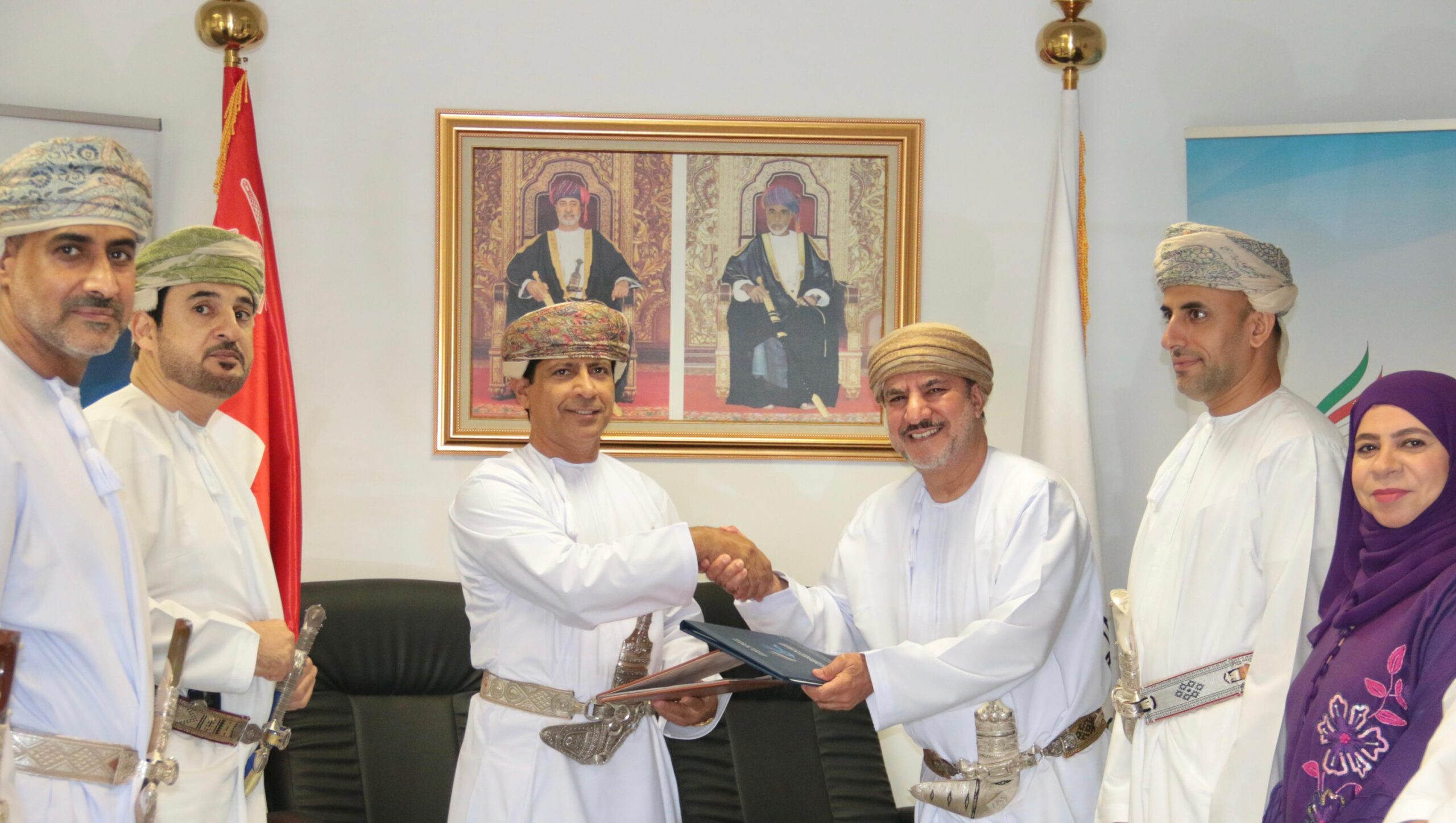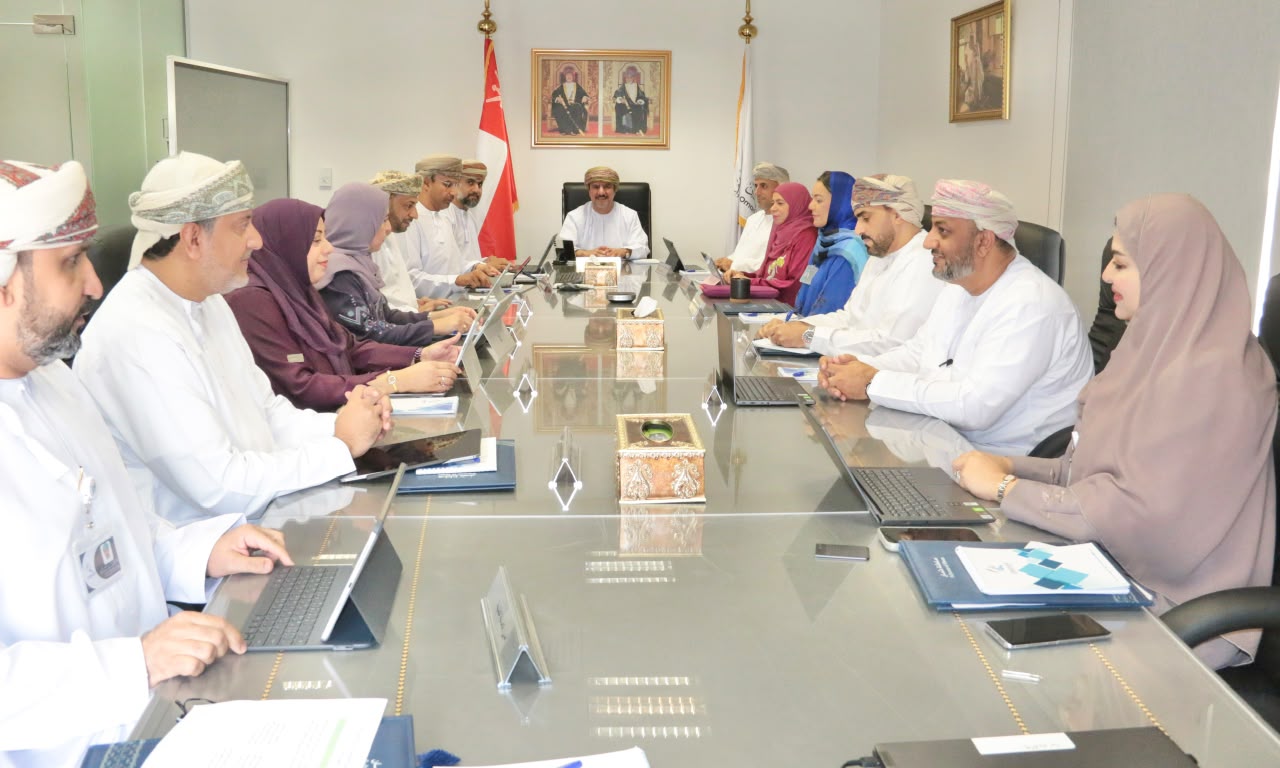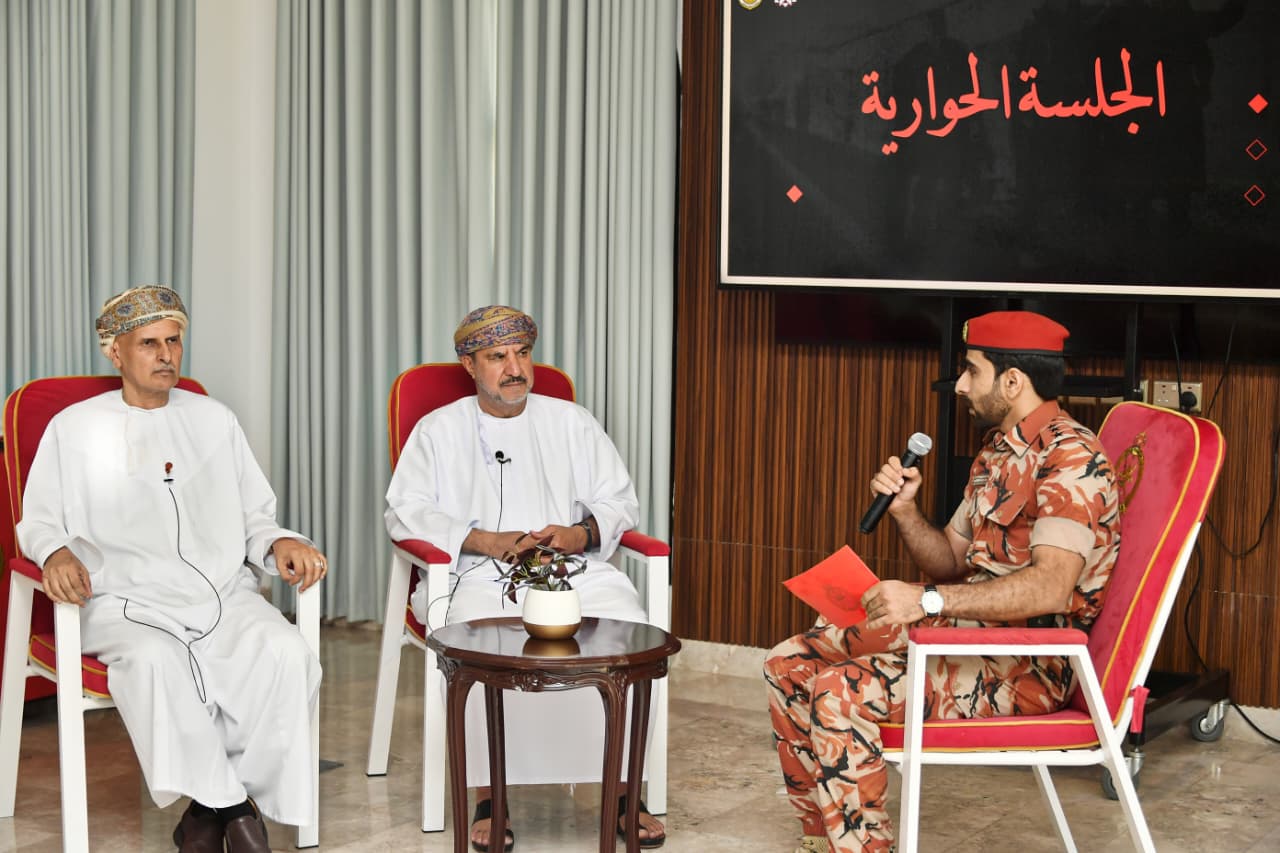

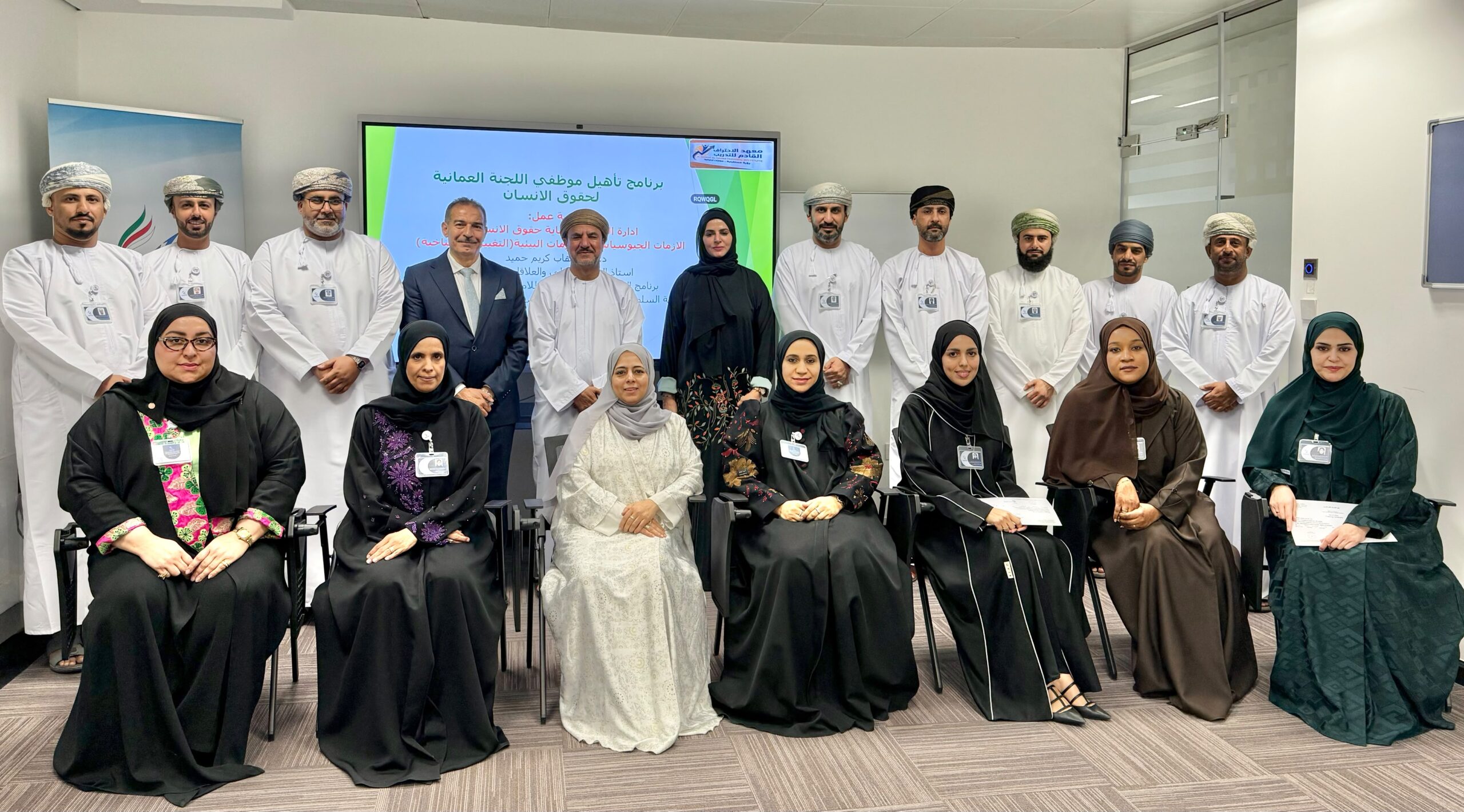

The Oman Human Rights Commission concluded a specialized training Programme entitled “Promoting and Protecting Human Rights in Times of Crisis”, aimed at developing the capacities and skills of the Commission’s staff. The Programme was delivered by Dr. Abdulwahab Kareem Humaid, Associate Professor of International Law and International Relations at Sultan Qaboos University. It sought to build advanced institutional capacities that would enable the Commission’s staff to respond professionally and systematically to various emergencies and crises that may affect the protection of human rights. It also aimed to develop mechanisms for a smooth and rapid transition from field and digital monitoring to human rights assessment, decision-making, and effective coordination in line with national and international standards.
The Training Programme provided a comprehensive and detailed examination of the fundamental roles and mandates of national human rights institutions and commissions during crises, disasters, armed conflicts, and states of emergency, drawing on the Paris Principles as the international normative framework governing the mandates and powers of these institutions. The Programme explored the practical and operational dimensions of these principles in emergency management, beginning with the principle of a “broad mandate”, which ensures the continuity of the Commission’s mandate and comprehensive monitoring functions. It also addressed “operational and financial independence” and emphasized “pluralism in composition” to strengthen the capacity of national human rights institutions to identify the actual needs of the groups most affected by crises. Furthermore, it highlighted the importance of strengthening “advisory and reporting functions” to enable the prompt review of emergency legislation upon its issuance and the provision of urgent advice to the State to safeguard fundamental non-derogable rights, foremost among them the right to life and the right to physical integrity.
The Programme also highlighted the two principal areas of responsibility of national human rights institutions under the Paris Principles. The first focused on “protection functions”, including direct monitoring and documentation of violations in the field that may affect vulnerable groups, receiving and investigating complaints and reports from individuals affected by the consequences of crises or exceptional measures, conducting field assessment visits to shelters to ensure that they meet humanitarian standards, and contributing to evidence collection and the documentation of violations in support of accountability.
The second area addressed “promotion functions”, including providing legal advice to the government on exceptional measures to ensure that fundamental rights are not compromised, raising awareness of rights and responsibilities during emergencies, and informing affected populations about mechanisms for accessing relief and support. It also covered strengthening international and regional coordination channels by serving as a liaison with the Office of the United Nations High Commissioner for Human Rights (OHCHR) and United Nations humanitarian agencies to ensure the equitable distribution of humanitarian assistance. In addition, it emphasized organizing Workshops and awareness-raising initiatives to promote and implement the principles of international humanitarian law among law enforcement personnel and military institutions involved in crisis management.
Throughout the Workshop, participants received advanced practical training in human rights-based crisis management methodologies and in responding effectively and judiciously to breaking news and the flow of incomplete information. The training covered mechanisms for establishing a “Mini Crisis Operations Room” and assigning responsibilities across six key functions: leadership, digital and field monitoring, complaint reception, verification and analysis, institutional coordination, and human rights communication and media engagement, including the accurate and professional drafting of position statements and public communications.
Participants were also trained to apply an “Event Classification Matrix”, which categorizes incidents according to escalating levels of severity, ranging from routine incidents to the most severe human rights crises, to prevent the unnecessary depletion of resources. The training further introduced the “Rapid Response Model” and the “Unified Crisis Dashboard” to document the current situation, identify affected rights, assess imminent risks, and schedule immediate actions within clearly defined timeframes and assigned responsibilities.
The Programme concluded with practical simulation exercises focusing on the protection of vulnerable groups, including women, children, persons with disabilities, and older persons, while ensuring non-discriminatory access to relief, shelter, healthcare services, and information in multiple languages. The exercises simulated realistic climate-related and environmental emergencies, drawing on experiences of exceptional weather events. These activities equipped participants with strategic adaptation and flexible change management skills, while strengthening the Commission’s preparedness to fulfil its national and human rights responsibilities arising from its Statute promulgated by Royal Decree No. 47/2026, with the highest levels of efficiency and operational readiness.