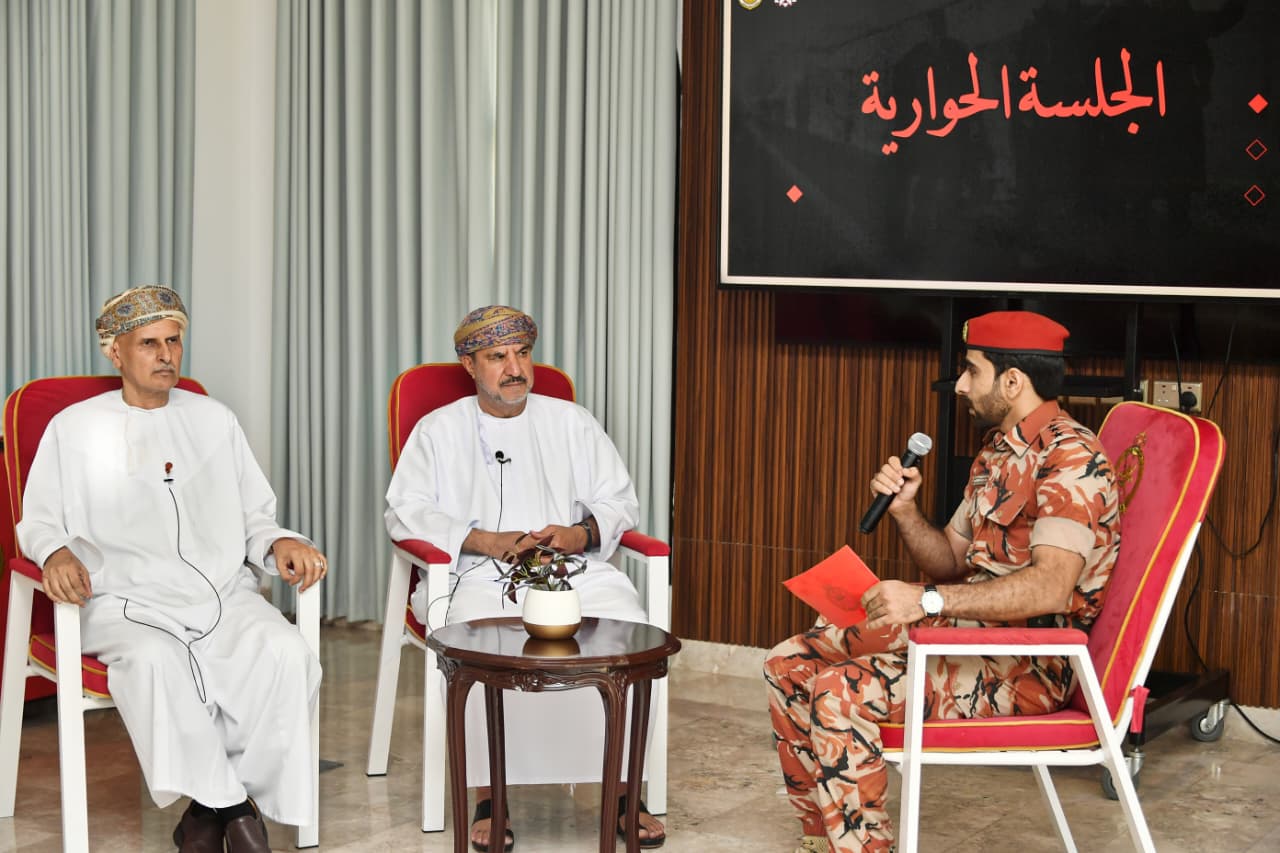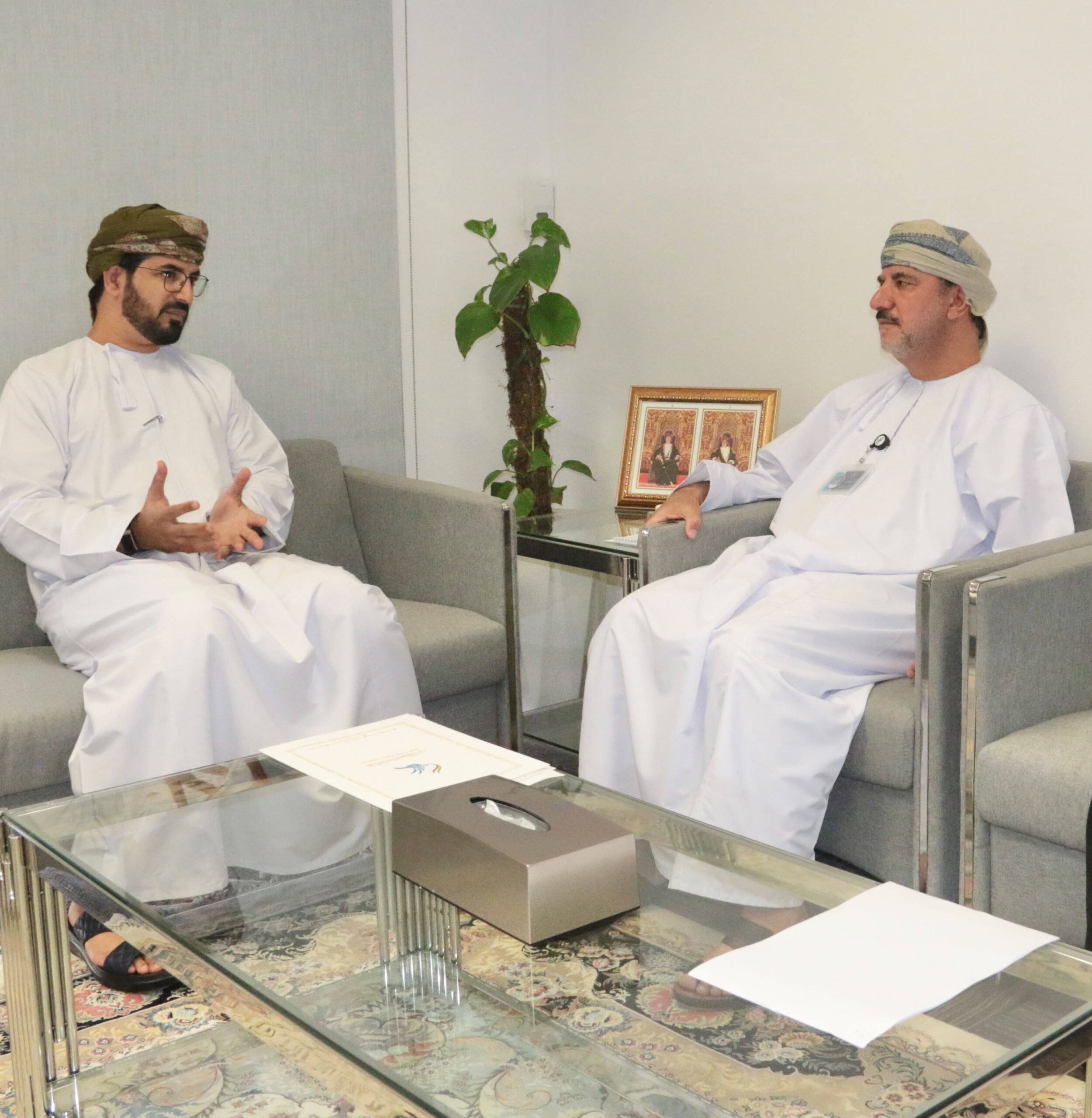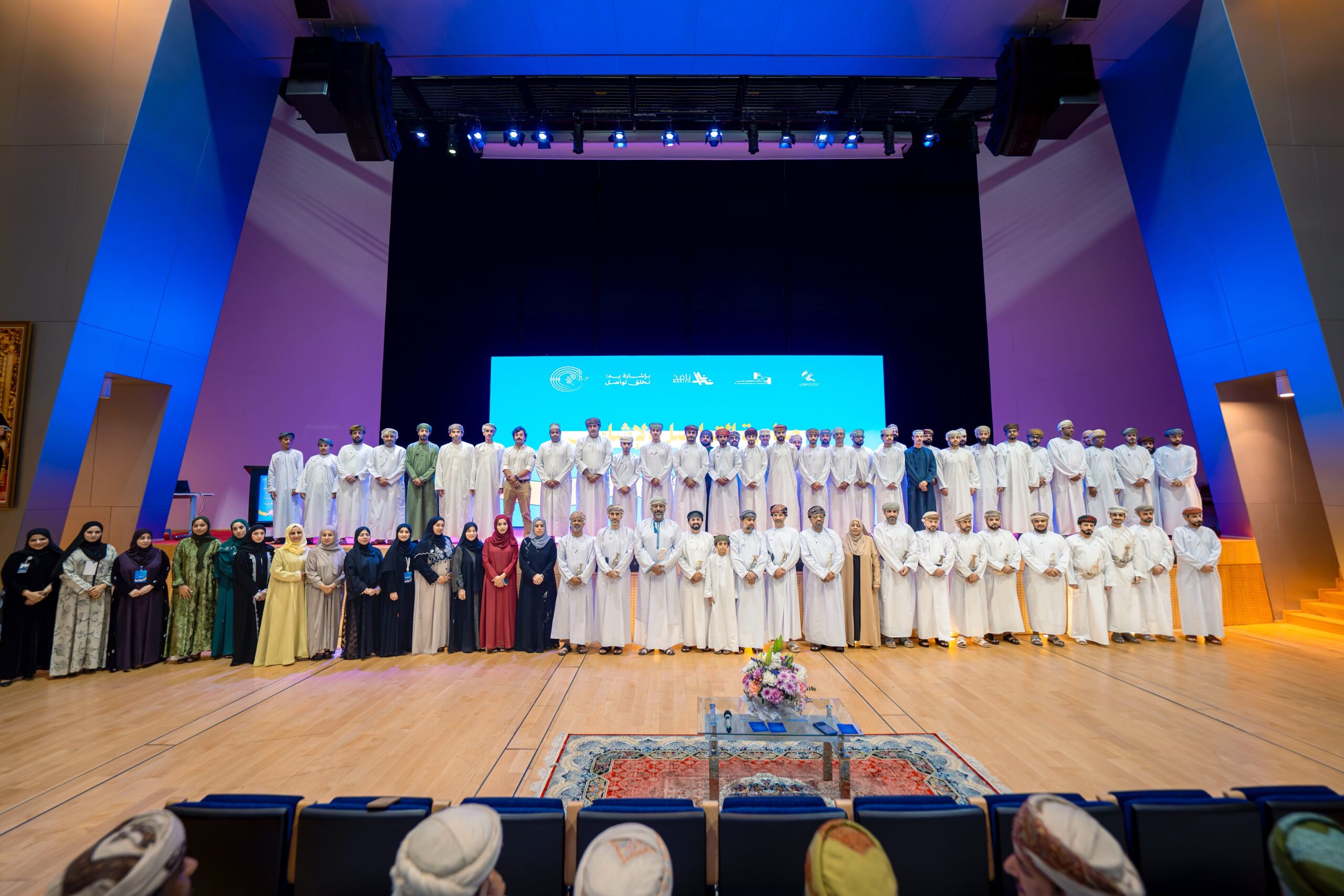

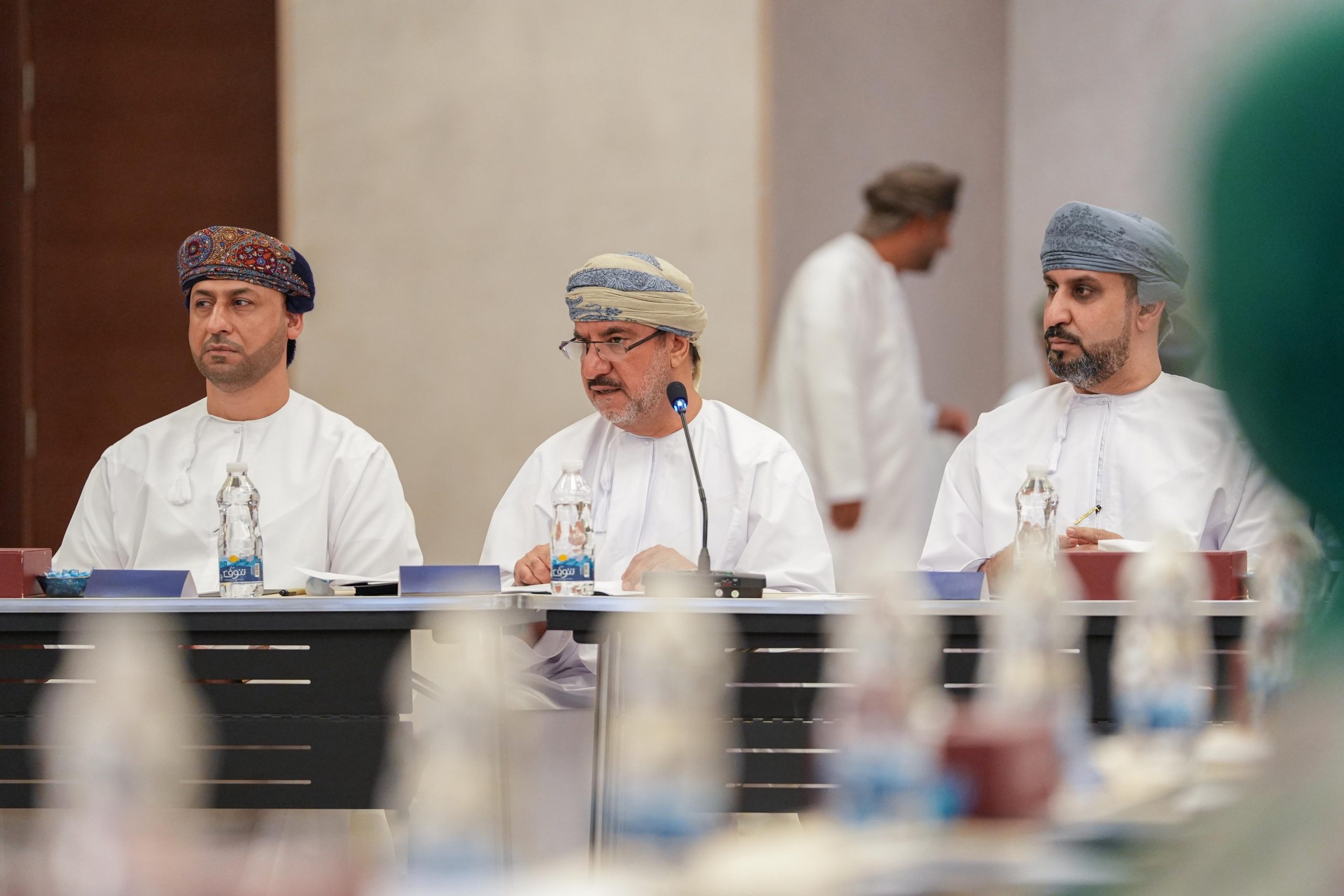

Today, the Oman Human Rights Commission organized an expanded introductory Meeting aimed at raising awareness of its role, new legal framework, and independence. The Meeting targeted civil society institutions, United Nations offices operating in the Sultanate of Oman, as well as human rights experts, representatives of community initiatives, academics, and researchers.
The Meeting was inaugurated by Professor Rashid bin Hamad Al Balushi, Chairman of the Oman Human Rights Commission, who delivered an opening speech emphasizing the importance of establishing a new and advanced phase of strategic partnership and integration between the Commission and civil society institutions. Al Balushi praised the pivotal role of civil society, which was reflected through the participation of its institutions in the analytical workshops held to formulate the National Human Rights Strategy in the Sultanate of Oman.
Professor Al Balushi further explained that the reorganization of the Commission comes within the framework of the Sultanate of Oman’s firm commitment to the provisions of the Basic Statute of the State, as well as the international treaties and conventions to which it has acceded. He noted that this step represents a qualitative and fundamental transformation in the Commission’s work, making its roles fully consistent with the Paris Principles relating to the status of national institutions for the promotion and protection of human rights.
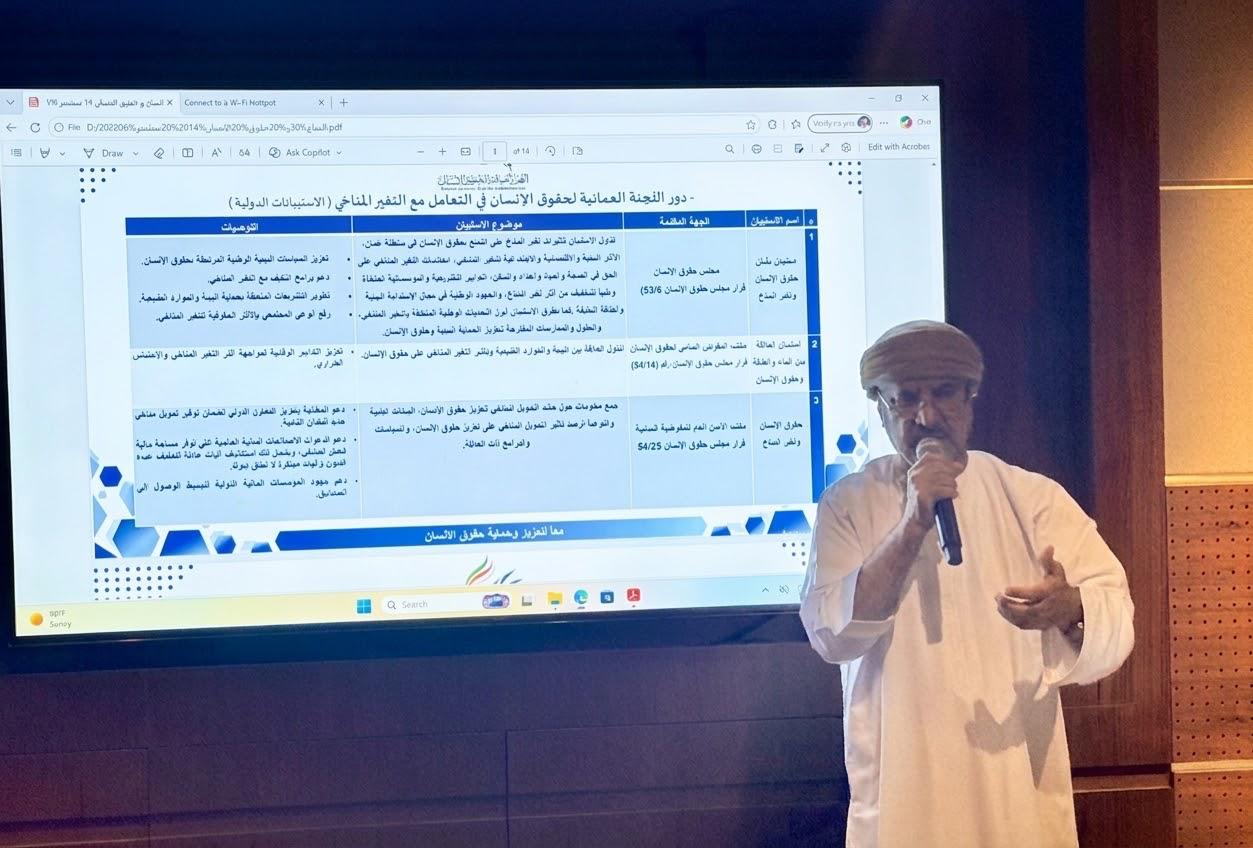
The Meeting programme included presentations of three main working papers delivered by several officials and specialists from the Oman Human Rights Commission. Collectively, the papers focused on clarifying the Commission’s new legal frameworks, exploring ways to strengthen partnership with civil society institutions, and reviewing modern mechanisms and technologies adopted in monitoring and receiving complaints in line with international standards.
The sessions commenced with the first working paper presented by Counsellor Jamal bin Salem Al Nabhani, Head of the Rights and Public Freedoms Committee at the Commission, which addressed the new legal framework introduced under the Royal Decree. The paper highlighted the key provisions of Royal Decree No. (47/2026) concerning the reorganization of the Oman Human Rights Commission, while reviewing the legal dimensions and gains that will strengthen the Commission’s role and independence in the coming phase.
The second working paper was presented by Ms. Shatha bint Abdulmajid Al Zadjali, Director of the Department of International Organizations and Relations. Her presentation addressed the Paris Principles governing the work of the Oman Human Rights Commission and the role of civil society in supporting the Commission’s work. Al Zadjali reviewed the establishment of national human rights institutions, the fundamental requirements of the Paris Principles, areas of joint cooperation, as well as emerging global trends and future visions for the work of national human rights institutions.
The sessions were concluded with the third working paper presented by Mr. Ahmed bin Nasser Al Rashdi, Director of the Monitoring and Complaints Department, entitled “Monitoring and Complaints Mechanism.” Al Rashdi explained that monitoring processes are based on applicable domestic laws and binding international conventions, and primarily aim to amend legislation, change behaviours, and raise public awareness. During the presentation, he also introduced a modern tool powered by artificial intelligence technologies on the Commission’s website, designed to facilitate and accelerate the receipt of complaints and further develop communication channels with beneficiaries.
The Meeting witnessed extensive engagement and discussions characterized by transparency and objectivity, as well as an exchange of views and ideas. Participants raised a number of valuable questions and interventions focusing on mechanisms for activating partnership and integration with the Commission during the upcoming phase under its new legal framework. Discussions also addressed ways to strengthen field cooperation in promoting human rights awareness and education, developing monitoring and complaint-receiving mechanisms, and employing modern technologies such as artificial intelligence to ensure rapid response. In addition, participants exchanged perspectives on common challenges and explored opportunities for future cooperation in a manner that ensures the optimal implementation of the Paris Principles and enhances the efficiency of the human rights system in the Sultanate of Oman.