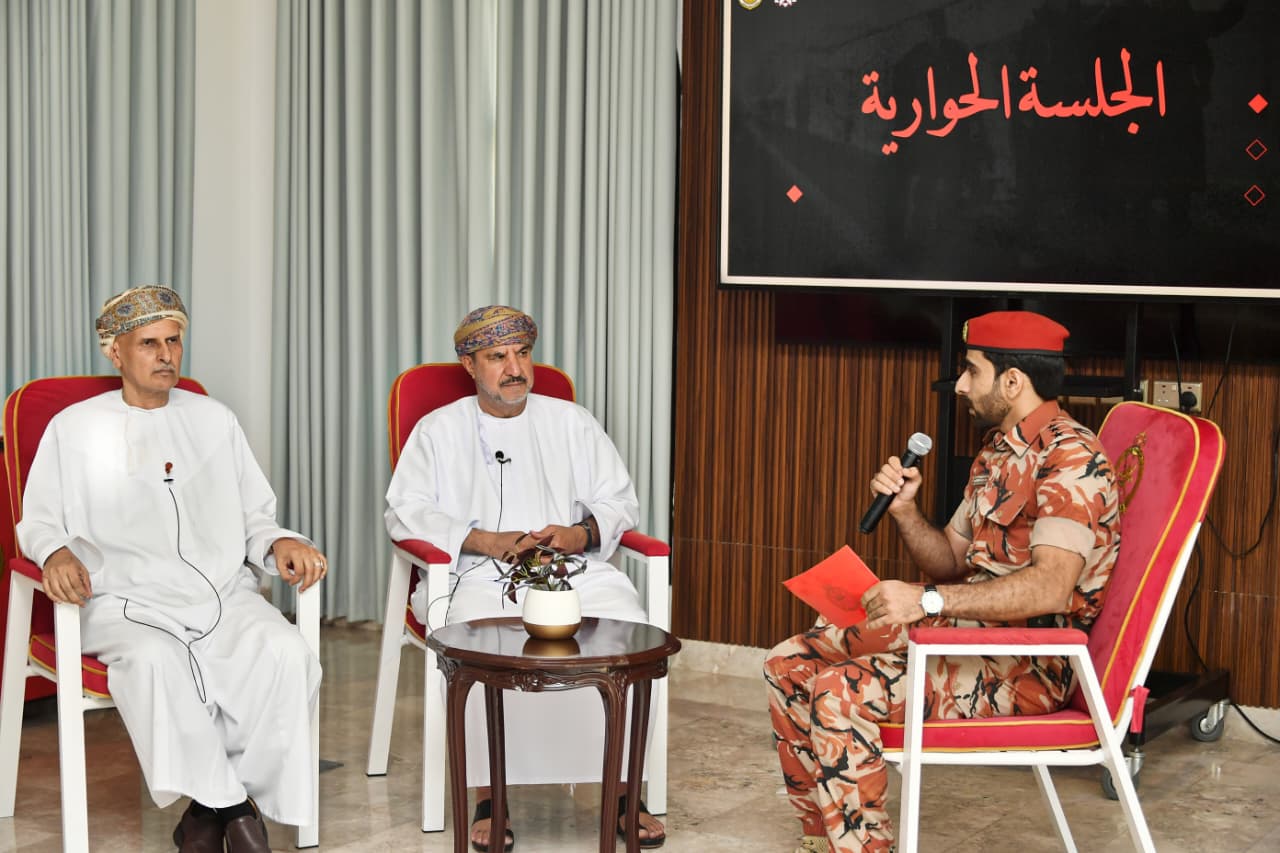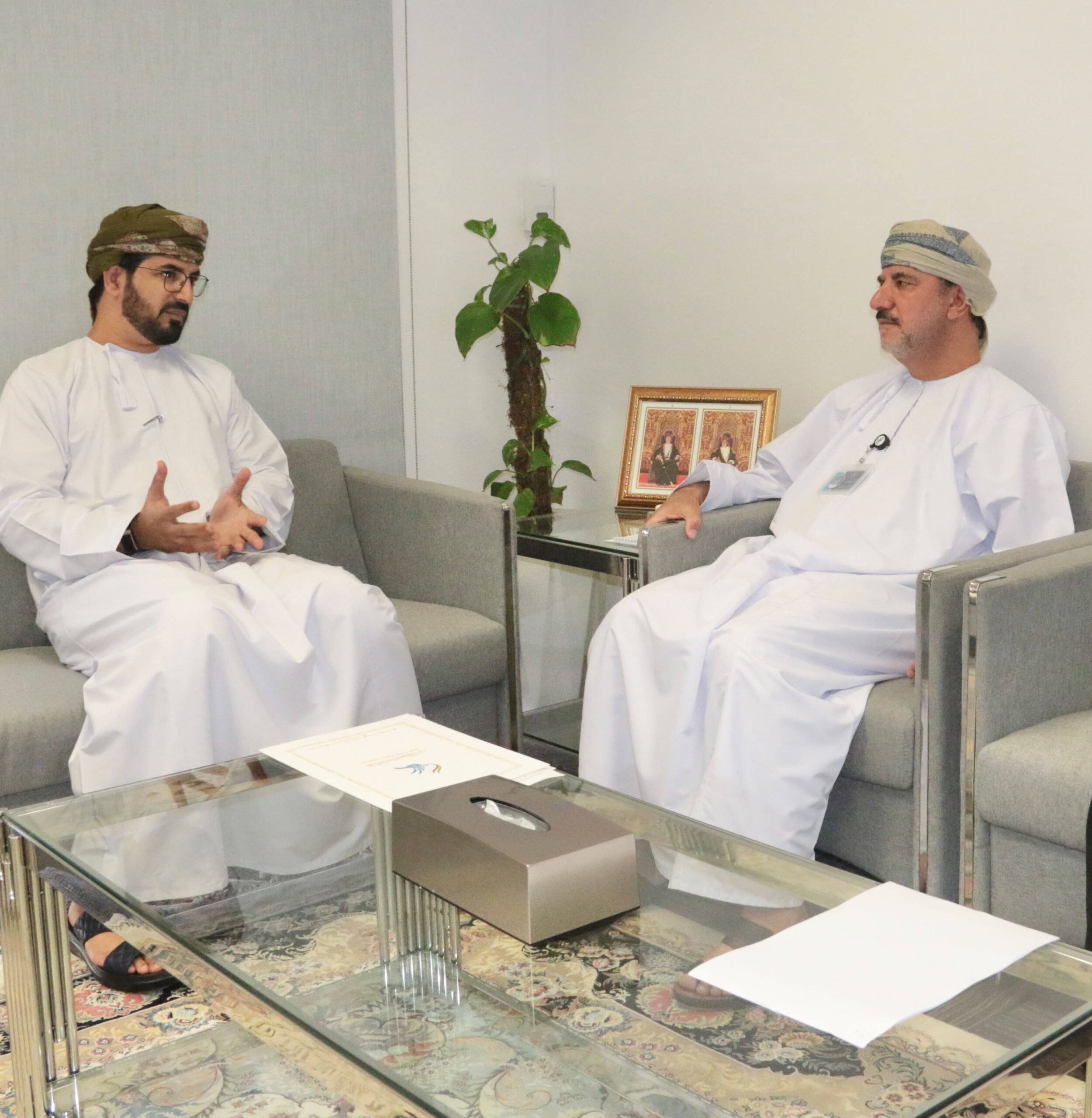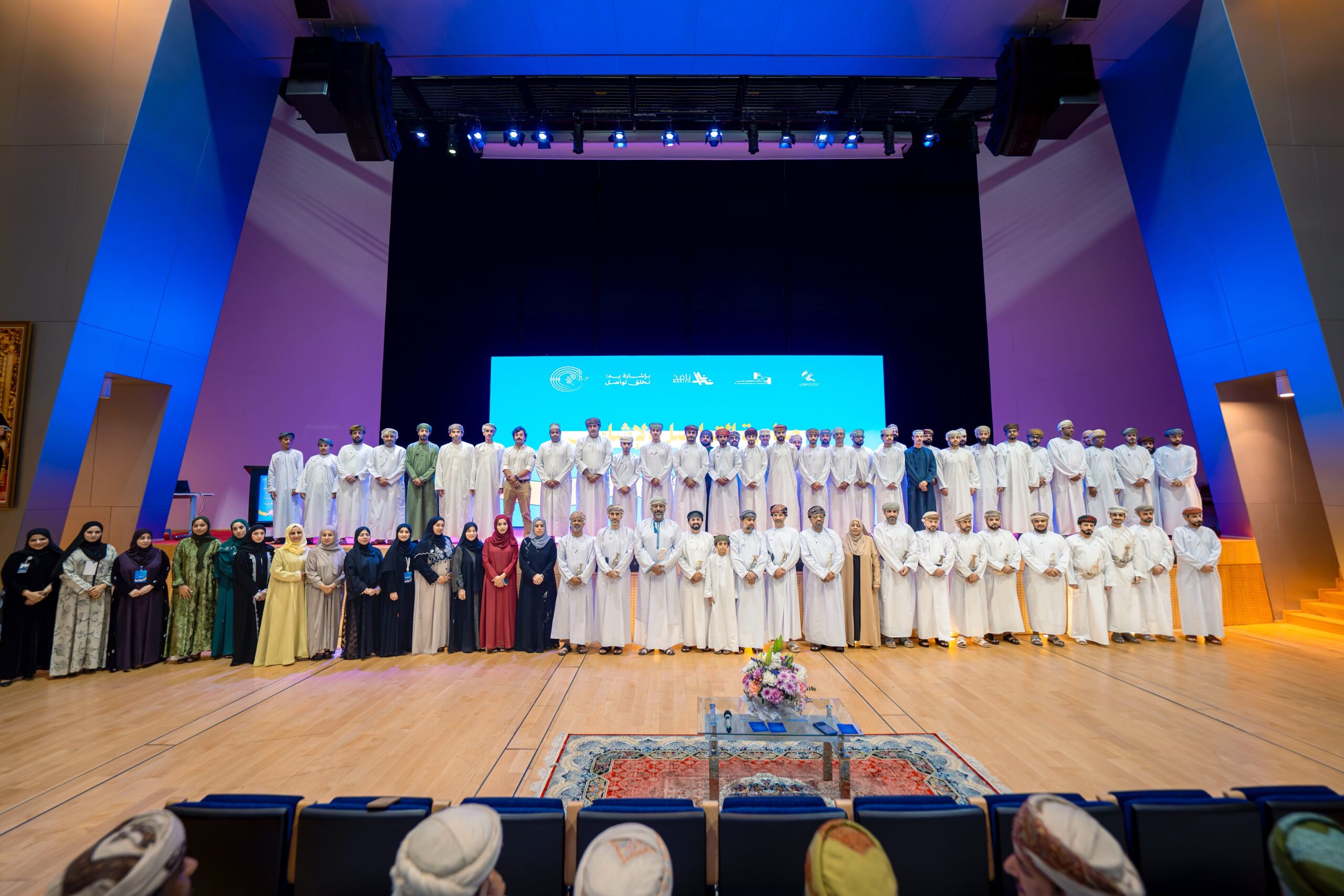

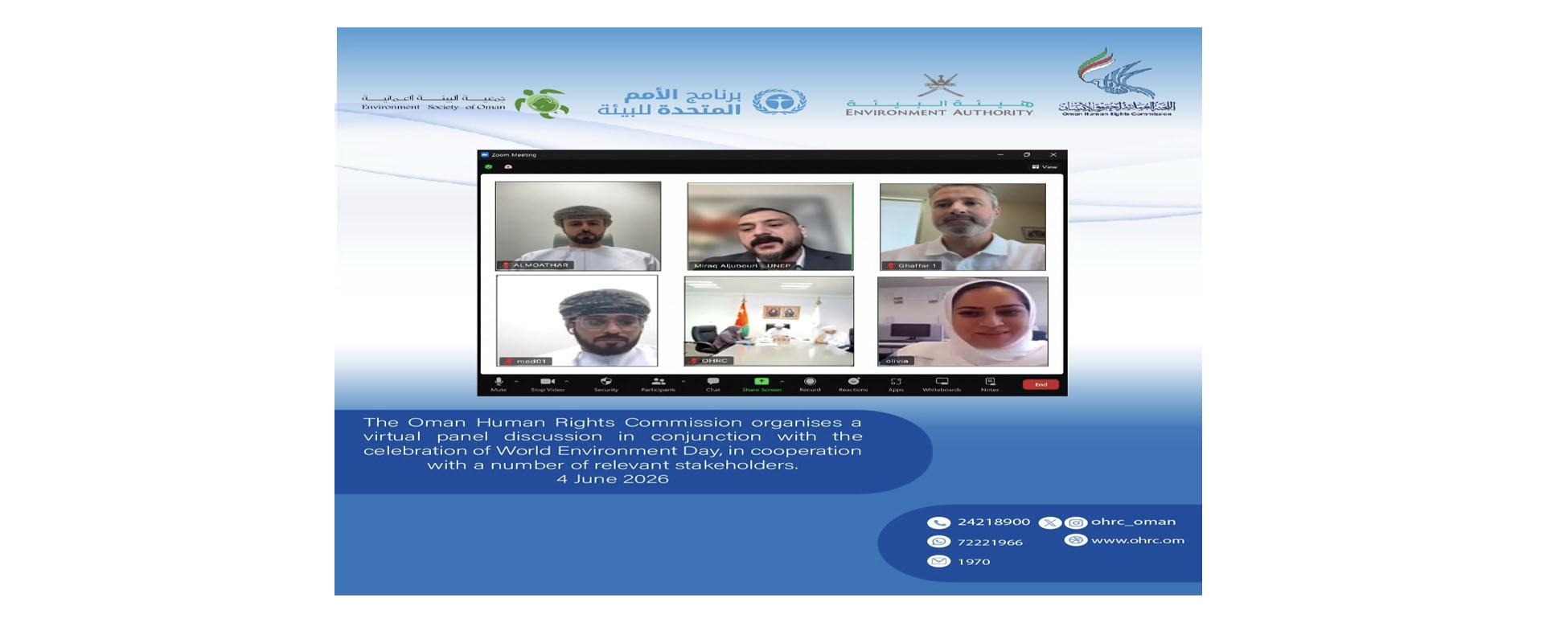

As part of the annual celebration of environmental efforts and in conjunction with the 2026 global theme, “Climate Action Today,” the Oman Human Rights Commission, in cooperation with the Regional Office of the United Nations Environment Programme (UNEP) for West Asia, the Environment Authority, and the Environment Society of Oman, organized a virtual dialogue session via video conferencing technology.
The session aimed to highlight the human rights dimensions of environmental crises and to integrate a rights-based approach into national policies in line with the objectives of Oman Vision 2040. It also sought to underscore the complementary roles of government entities, international organizations, civil society institutions, and the private sector.
The session witnessed broad participation from representatives of United Nations offices operating in the Sultanate of Oman, governmental and private institutions, civil society organizations, Arab national human rights institutions, and the Arab Network for National Human Rights Institutions.
The session commenced with opening remarks delivered by Professor Rashid bin Hamad Al Balushi, Chairman of the Oman Human Rights Commission. In his remarks, he emphasized that climate change is no longer merely a passing environmental issue but has become a tangible and accelerating crisis affecting all aspects of life. He noted that the Commission views environmental degradation as a direct and explicit threat to fundamental human rights, foremost among them the rights to life, health, food, clean water, and a safe, clean, and sustainable environment.
Professor Al Balushi further stressed the Commission’s commitment to its core responsibilities in monitoring and receiving reports and complaints concerning environmental violations and abuses that affect individuals’ well-being. He highlighted the importance of promoting environmental awareness and public education in order to foster a culture of shared environmental responsibility, enabling every citizen and resident to become an active partner in protecting natural resources for future generations.
The session featured four specialized presentations that provided a comprehensive overview of environmental challenges and ongoing efforts.
The first presentation was delivered by Mr. Morad Al Jbouri, Regional Coordinator for Environmental Governance Programmes at the UNEP Regional Office for West Asia, under the title “Climate Action: The Role of the United Nations Environment Programme in Addressing Climate Change Challenges.” The presentation reviewed the alarming findings of the 2025 Emissions Gap Report, noting that global greenhouse gas emissions had reached a new record high. It also addressed climate-related challenges facing the Arab region, where temperatures are rising at nearly twice the global average, alongside increasing risks of water stress, droughts, and floods. Furthermore, the presentation highlighted the human rights dimensions of the environmental crisis and approaches to building comprehensive and participatory responses that protect the most vulnerable groups.
The second presentation was delivered by Mr. Hamood bin Hamad Al Mataani from the Environment Authority and focused on the national strategies and efforts undertaken by the Sultanate of Oman to combat plastic pollution.
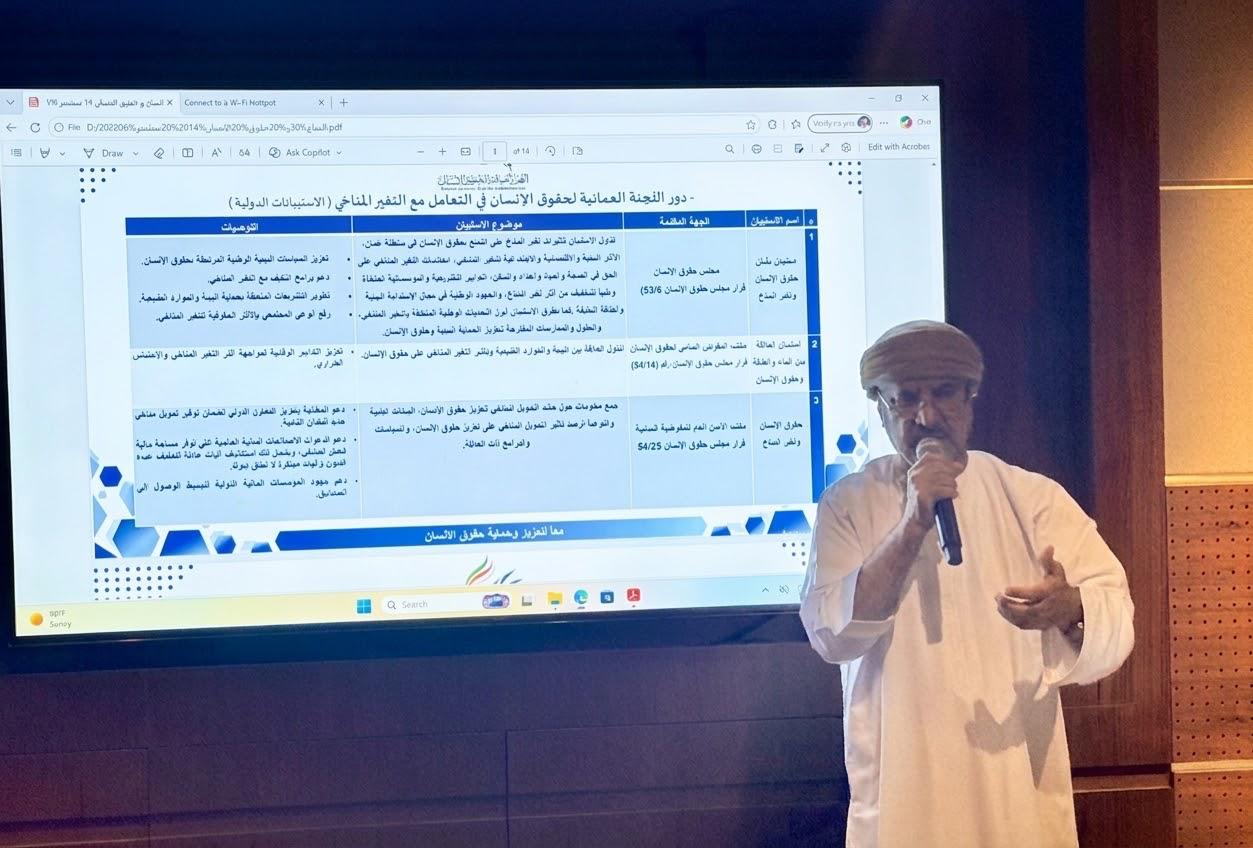
The third presentation, entitled “The Role of the Oman Human Rights Commission in Protecting Environmental Rights and Combating Climate Change,” was delivered by Lawyer Mohammed bin Ali Al Marzouqi, Chairman of the Commission’s International Cooperation Committee. The presentation addressed the Commission’s institutional and legislative developments following the issuance of Royal Decree No. (47/2026), which reorganized the Commission in full alignment with the Paris Principles. It also reviewed the Commission’s field-monitoring mechanisms, complaint-receiving procedures, and international engagement through the submission of reports and responses to questionnaires issued by United Nations Special Rapporteurs regarding the impact of climate change on fundamental rights in Oman. In addition, it highlighted the joint study conducted with UNICEF and the Environment Authority on “Climate Landscape Analysis for Children and Adolescents in the Sultanate of Oman.”
The fourth presentation was delivered by Ms. Hanan bint Qasim Al Musqatiyah from the Environment Society of Oman. It focused on the role of civil society organizations in protecting environmental diversity in the Sultanate and highlighted efforts to conserve sea turtles and protect their natural habitats from harmful human activities.
The final segment of the session featured extensive interactive discussions among speakers and participants, during which views were exchanged on mechanisms for strengthening proactive environmental oversight and the need to develop clear and systematic environmental and human rights indicators to measure progress achieved.
The dialogue session concluded with several key recommendations, most notably the need to sustain and expand partnerships among government institutions, international organizations, and civil society organizations; intensify public awareness campaigns on the human rights dimensions of environmental protection; support green innovation; and empower youth and future generations to become active leaders in addressing environmental crises and shaping climate-related decision-making.