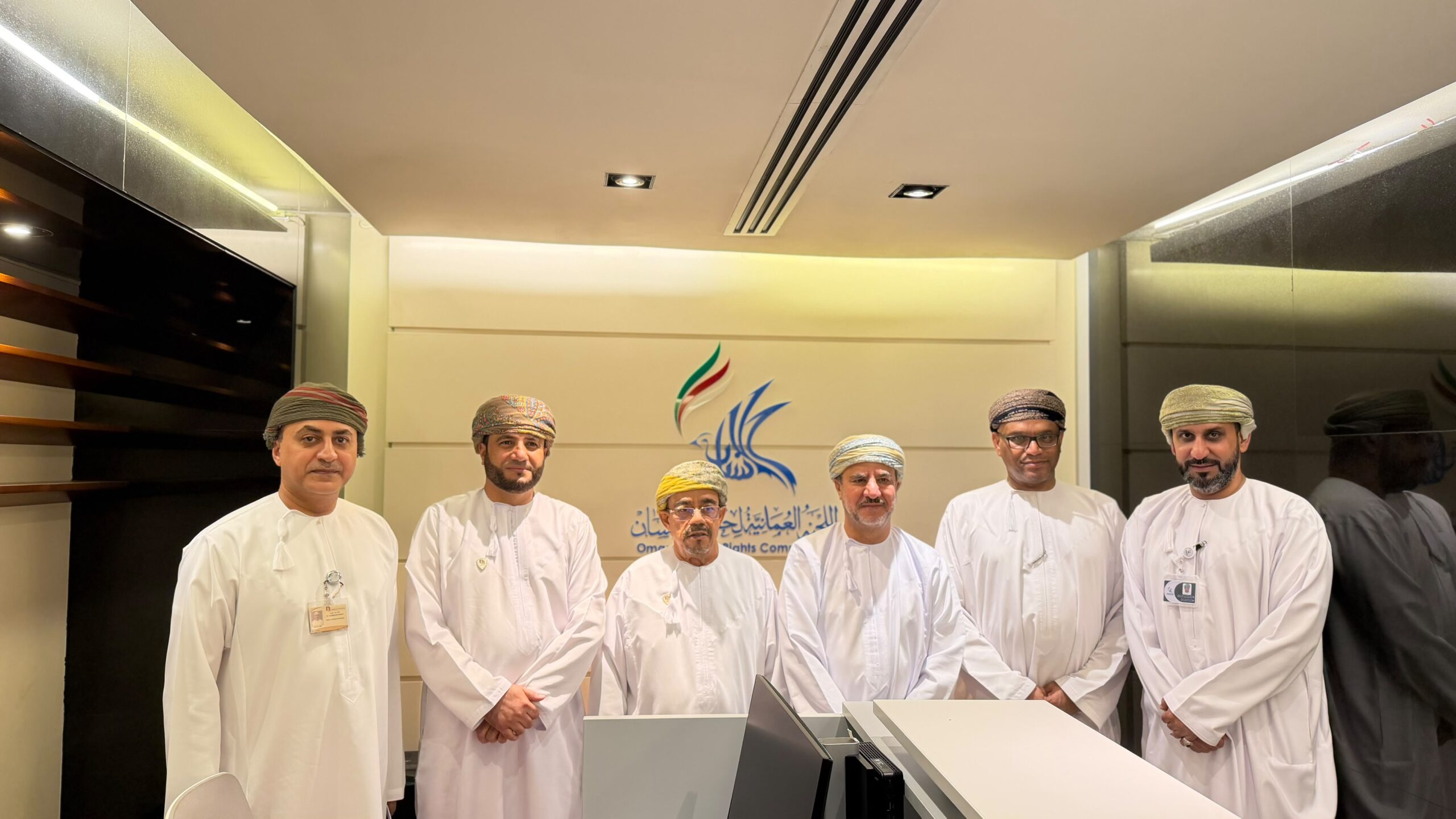


The Oman Human Rights Commission has issued its “Field Visits Procedures Manual” to regulate and standardise its field visit procedures and ensure a consistent approach to planning and conducting visits. The Manual aims to improve the effectiveness of human rights monitoring, ensure that observations are documented professionally and support follow-up on the implementation of recommendations in cooperation with the competent authorities.
The Manual is based on Royal Decree No. 47/2026 Reorganising the Oman Human Rights Commission, which strengthened the institutional and legal framework for the Commission’s work and expanded the tools available to it for monitoring and follow-up. It gives effect to Article 16(6) of the Commission’s Regulation and serves as a key tool for carrying out the Commission’s mandate to conduct announced and unannounced field visits to prisons, detention facilities, healthcare institutions and workers’ gatherings, in order to assess human rights conditions first-hand.
The Manual sets out three interrelated stages for field visits. Before a visit, the Commission prepares systematically, defines the objectives and forms specialist teams. During the visit, the teams inspect the facilities, review relevant data and meet with officials and members of the groups concerned to document their observations objectively. After the visit, the Commission analyses the findings, prepares comprehensive reports, approves the recommendations and forwards them to the relevant authorities. It also records the recommendations in a dedicated register so that it can follow up and verify their implementation.
To ensure that field monitoring is accurate and consistent with international standards and national legislation, the Manual includes a comprehensive annex of inspection forms tailored to different types of facilities. The form for prisons and detention centres focuses on the application of the United Nations Standard Minimum Rules for the Treatment of Prisoners and assesses the quality of accommodation and healthcare, as well as arrangements for communication. The form for workers’ accommodation assesses the availability of suitable housing and compliance with occupational health and safety requirements.
The Manual also includes a form for the Social Care Home that addresses issues affecting older persons and assesses the quality of care they receive. A separate form for the Juvenile Guidance House and the Juvenile Reform House focuses on the effectiveness of treatment and rehabilitation programmes and aftercare in supporting young people’s reintegration into society. The Manual marks a further step in strengthening the Commission’s national role in verifying respect for legally established human rights safeguards, identifying and sharing good practices, and identifying challenges so that it can propose appropriate recommendations and help address those challenges in a coordinated and sustainable manner.
Download Field-Visits-Procedures-Manual-Oman-Human-Rights-Commission