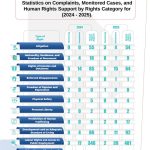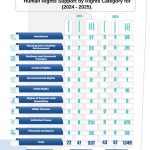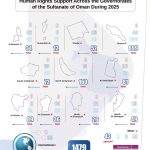

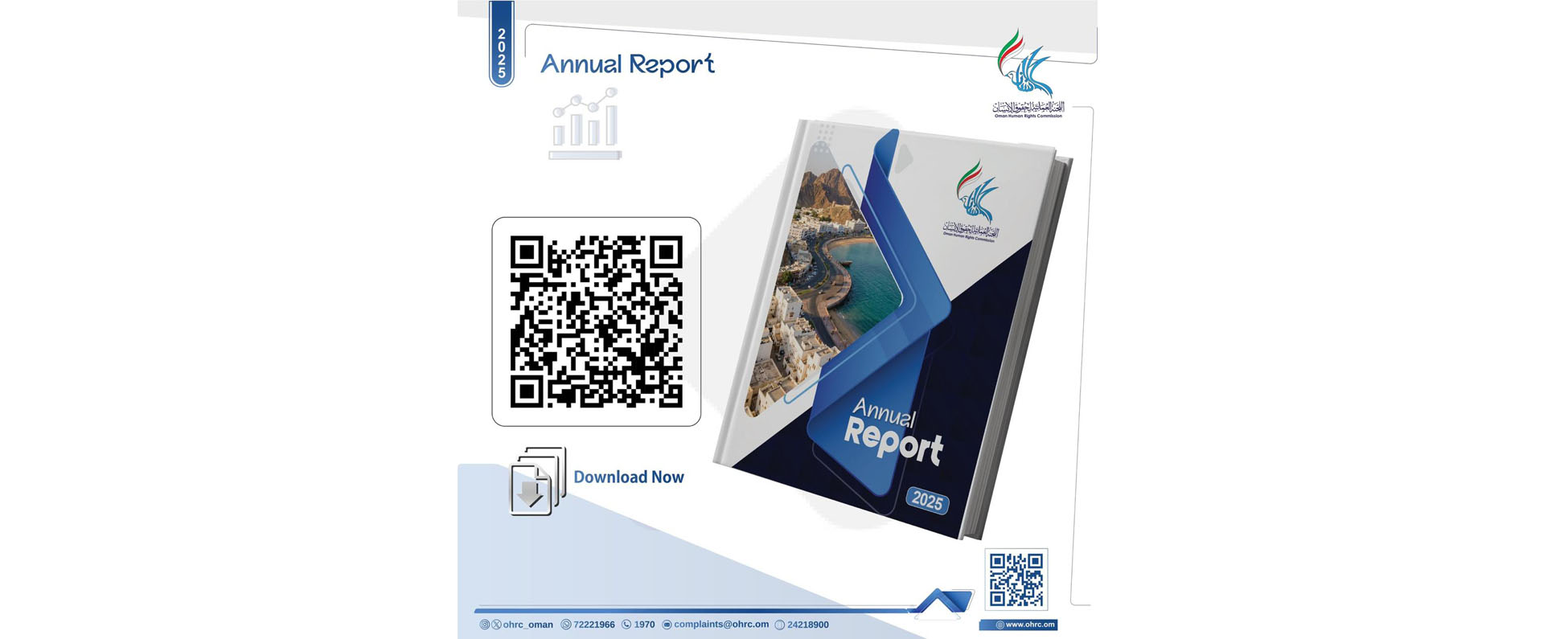

The Oman Human Rights Commission received and monitored 1,479 human rights-related cases during 2025. The Commission handled each case by verifying the facts and following the relevant legal and administrative procedures to ensure appropriate solutions that address their underlying causes and contribute to their resolution in accordance with national legislation and international human rights instruments.
The Commission attached great importance to legal support by examining submitted cases, analysing their dimensions, and identifying their legal basis. This resulted in the provision of legal advice and consultations to complainants and guiding them to the appropriate official mechanisms for pursuing their cases before the competent authorities.
The Commission also continued its role in monitoring, receiving, and following up on complaints and reports in coordination with the relevant authorities. It undertook practical efforts to facilitate access to justice and judicial guarantees, monitor the rights of inmates and detainees, and assess the provision of healthcare within places of detention. In addition, it monitored issues related to the right to an adequate standard of living, social protection, employment, education, healthcare, housing, and a healthy environment.
The Commission followed up on individual complaints and sought to enable rights holders to access the support, care, and rehabilitation to which they are entitled. It also paid particular attention to protecting children from harmful practices, especially the exploitation of children through social media platforms. In this regard, the Commission promoted greater awareness, strengthened reporting channels, and enhanced preventive measures to safeguard the best interests, privacy, and safety of children.
The past year witnessed a notable improvement in the effectiveness of the Commission’s monitoring and complaints-receiving system. The increase reflected in the Commission’s annual statistics is attributable to broader outreach to different segments of society, the diversification and enhancement of available reporting channels, intensified field visits, and continuous follow-up with the relevant authorities. These indicators also reflect the Commission’s sustained efforts to strengthen the protection afforded to individuals and to fulfil its legal mandate effectively.
During 2025, the Commission monitored the issuance of several Royal Decrees granting and restoring Omani nationality to 329 applicants. In relation to Royal pardons, the Commission also monitored the issuance of Royal Orders providing for the release of a number of inmates from the Central Prison. A total of approximately 2,115 Omani and foreign inmates, convicted of various offences, benefited from the Royal Pardon during 2025.
These measures reflect a practical commitment to human rights principles, the protection of the right to nationality, and the promotion of social cohesion and family stability. The Royal Pardon also represents a practical embodiment of the concept of restorative justice, providing opportunities for rehabilitation and reintegration into society while demonstrating the balance between the rule of law and the spirit of tolerance prevailing within Omani society.
The Commission conducted field visits to labour accommodations affiliated with Madayn in the Wilayat of Sohar, as well as workers’ housing in the Wilayat of Seeb, to assess living conditions in terms of safety standards, availability of first aid, adequate living space, fire safety requirements, sanitation facilities, and cleanliness. These visits were undertaken pursuant to the Commission’s mandate to monitor workers’ rights and ensure the provision of decent accommodation. During the visits, the Commission also listened to workers’ observations and assessed the facilities and services provided, following which the necessary recommendations were submitted to the competent authorities.
In the same context, the Commission visited the Inspection Unit of the Security and Safety Services Establishment, where it reviewed the Unit’s mandate, operational mechanisms, procedures, and services. The Commission commended the high standard of quality and efficiency demonstrated in its performance, reflecting its commitment to professional standards and contributing to the promotion of the rule of law and the protection of rights.
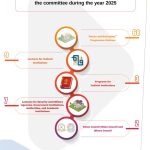
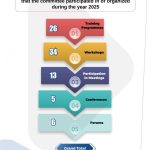
The Commission also continued to promote human rights awareness and education through a series of training programmes, specialised workshops, and national forums that it organised or participated in, with the aim of strengthening engagement with various segments of society, academic institutions, and civil society organisations.
Training and capacity development remained a priority. The Commission’s training plans targeted its staff as well as partner institutions and stakeholders concerned with human rights. These programmes were designed to deepen legal and human rights knowledge, strengthen communication skills, and promote the use of modern technologies in monitoring and following up on complaints in line with international best practices.
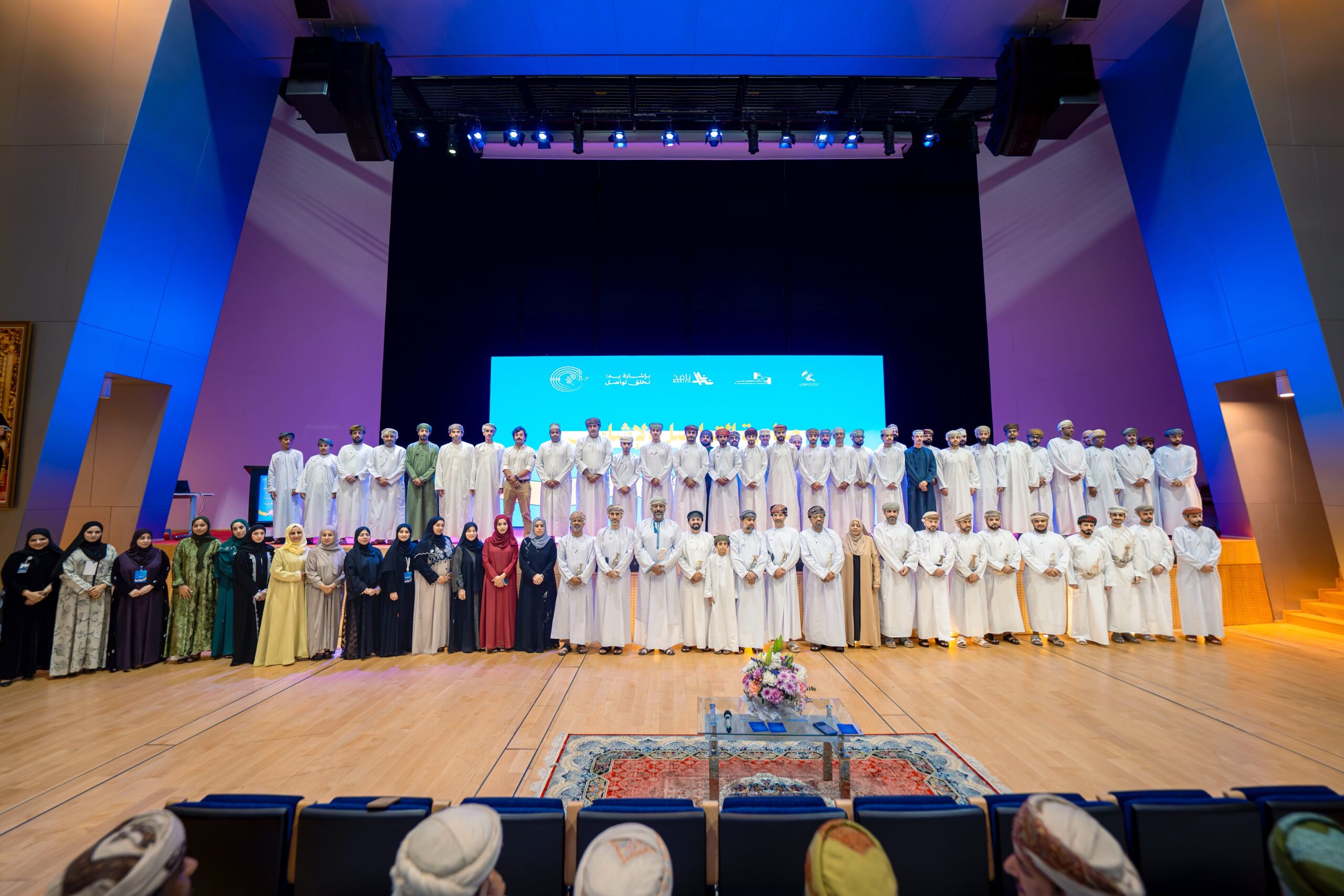
The Commission completed the implementation of the “Values and Belonging” programme as a large-scale initiative after delivering it in 16 wilayats across nine governorates, reaching more than 2,000 direct beneficiaries, including children, students, parents, teachers, specialists, and other stakeholders concerned with child protection. The Commission also graduated the first cohort of internationally certified human rights trainers and is preparing to graduate the second cohort, thereby strengthening the sustainability of professional capacity-building.
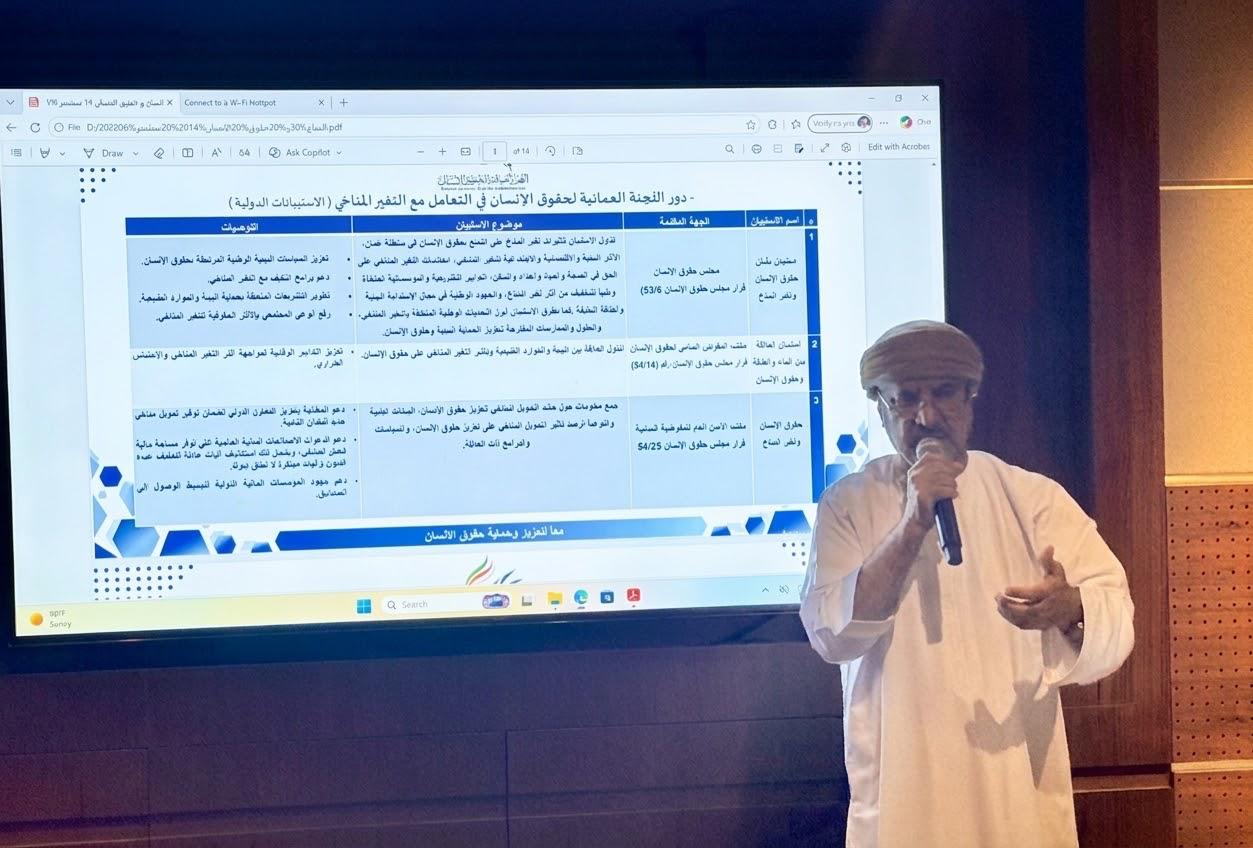
The Commission further intensified its awareness-raising programmes, educational initiatives, and institutional dialogue. It organised meetings, workshops, and lectures for various target groups, participated in numerous national events, panel discussions, and specialised seminars, organised awareness activities on human rights, and launched communication initiatives to strengthen public awareness. The Commission also launched the Guide to the Rights of the Private Sector Workforce in six languages—Arabic, English, Urdu, Hindi, Bengali, and Filipino—to broaden access to human rights information among workers. In addition, it contributed to programmes targeting students and young people and participated in specialised forums promoting the integration of human rights principles into different working environments.
In the field of international cooperation, the Commission strengthened its presence through contributions to parallel reports, responses to thematic questionnaires, and professional engagements that supported the exchange of expertise, the enhancement of assessment tools, and the development of evidence-based national methodologies.
The Commission also enhanced its engagement with United Nations and regional human rights mechanisms by submitting its parallel report to the Fourth Cycle of the Universal Periodic Review (UPR), contributing to responses to thematic questionnaires relating to Special Procedures, and providing contributions on technical cooperation and capacity-building, combating racism and discrimination, combating trafficking in persons, and other human rights issues. In addition, it held consultative and professional meetings with international organisations, hosted United Nations delegations, and expanded partnerships in specialised areas, including workers’ rights, the rights of persons with disabilities, and business and human rights, thereby contributing to the development of tools and methodologies and the exchange of expertise and best practices.
The Oman Human Rights Commission extends its sincere appreciation and gratitude to all entities that supported its work, including state institutions, government bodies, legislative and judicial authorities, the Royal Oman Police, private sector institutions, civil society organisations, professional associations and unions, academic, educational, and healthcare institutions, media organisations, and all national and international partners for their cooperation, responsiveness, and complementary roles in supporting the Commission’s work in monitoring, receiving complaints, conducting field visits, awareness-raising, human rights education, regional and international cooperation, and capacity-building.
The Commission also expresses its appreciation to all citizens and residents who contacted the Commission and submitted reports and observations, reflecting their belief in the importance of community responsibility in protecting and promoting human rights.